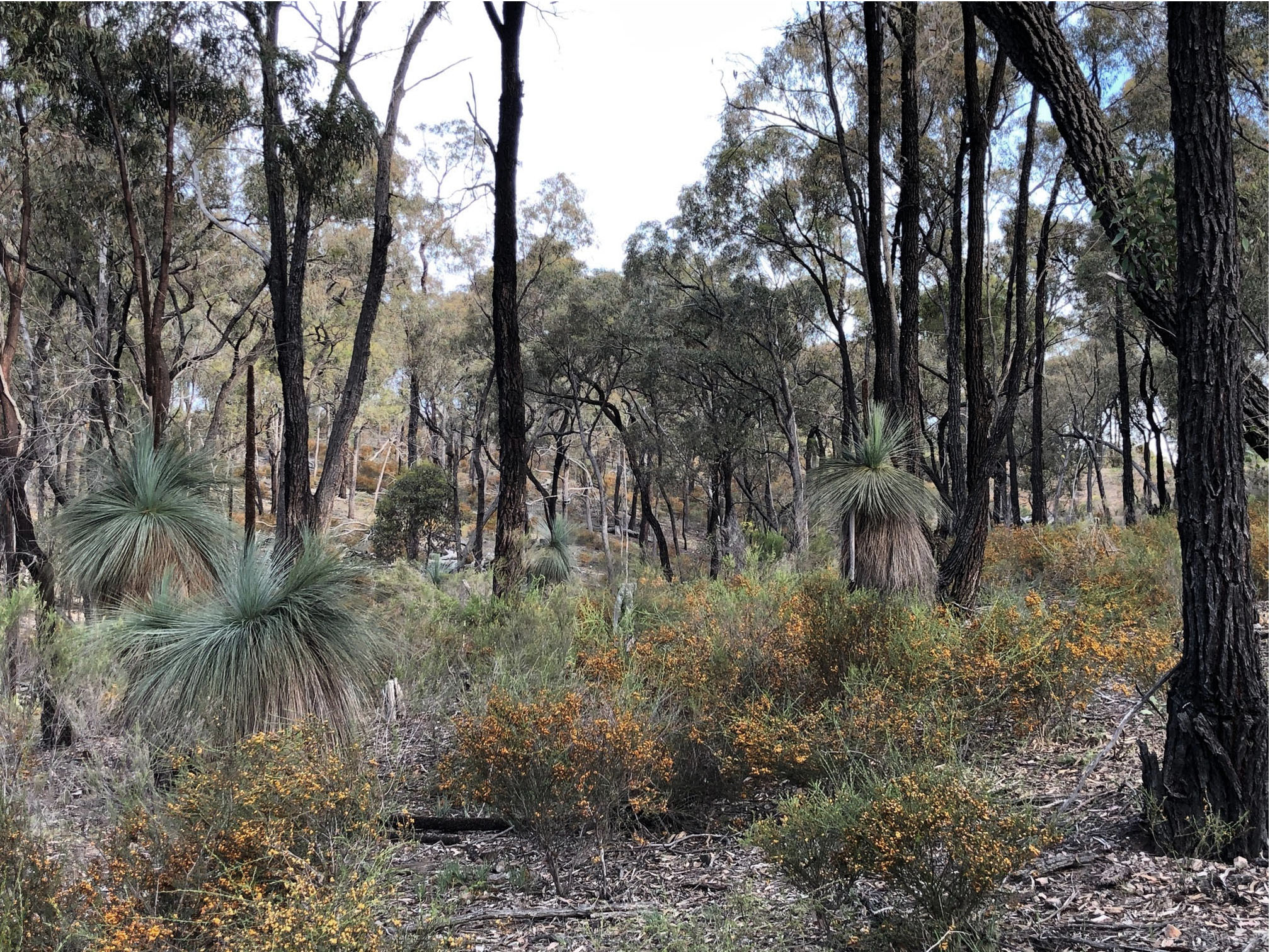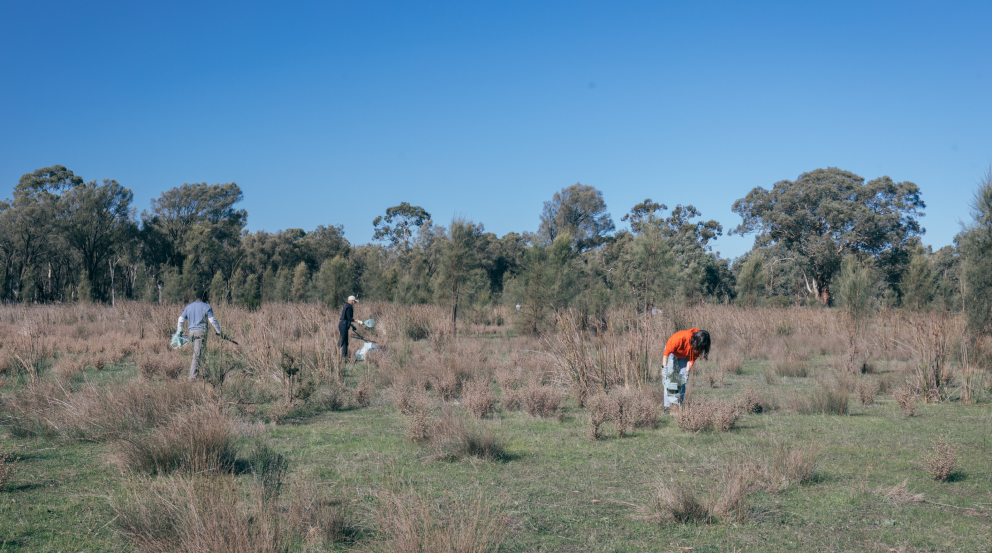


We are the first bank in Australia to have a conservation reserve, which spans 2,117 hectares in western Victoria. Since 2008, we’ve cared for this reserve, and our employees can visit and support its conservation firsthand.
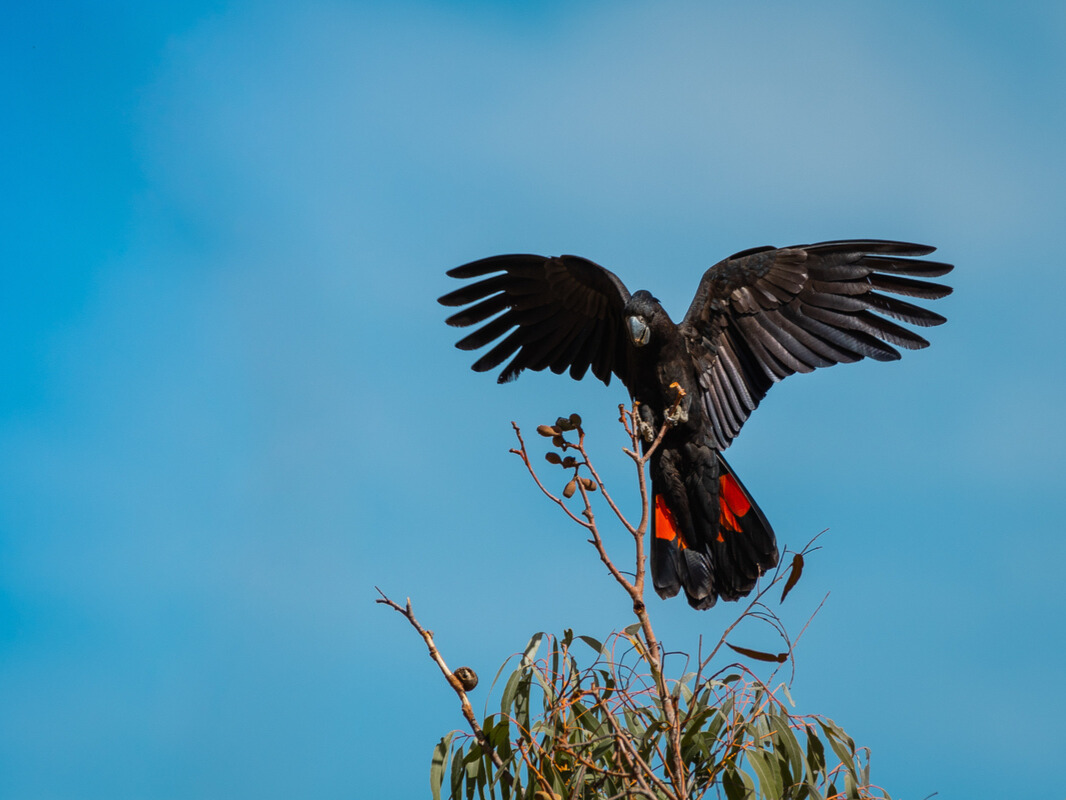
Located on Wotjobaluk Country, the reserve is a group of four properties, Salvana, Minimay, Booroopki and Ozenkadnook. They’re under a conservation covenant with Trust for Nature, meaning they’re protected from development forever and are home to 251 native plant and 283 native animals, including some endangered species.
The reserve holds deep cultural significance for the Traditional Custodians. It also plays an important role in supporting water catchment, biodiversity and carbon sequestration. We work closely with our partners Greening Australia, Trust for Nature, and the Barengi Gadjin Land Council (BGLC) who help manage the land and protect its cultural values.

Helping the native species flourish
This financial year we hosted 2 trips to our conservation reserve, with more than 35 employees taking part. These 3-day trips offer our employees deeper understanding of private land conservation and the role it plays in supporting communities, economies, and nature.
Our main focus on the reserve is protecting native species and reducing the impact of invasive ones. During the October 2024 trip to Minimay, employees rolled up their sleeves to help remove the invasive South African weed orchid (Disa bracteata) a hands-on effort to support the health of the reserve.
In May 2025, another group of employees, including some from Qudos Bank visited the Ozenkadnook property, where they teamed up with Trust for Nature’s southwest team. Using the iNaturalist app, they recorded sightings of plants and wildlife to help generate valuable data for conservation science.
Mariko from our learning and development team from Qudos Bank said about the trip, “It’s an experience I won’t forget. One of the most inspiring parts was learning about Bank Australia’s deep commitment to conservation and biodiversity. It was eye-opening to see how environmental stewardship is woven into the bank. Tracking and identifying native species made the experience even more engaging and reminded me that we can all play a role in protecting nature.”
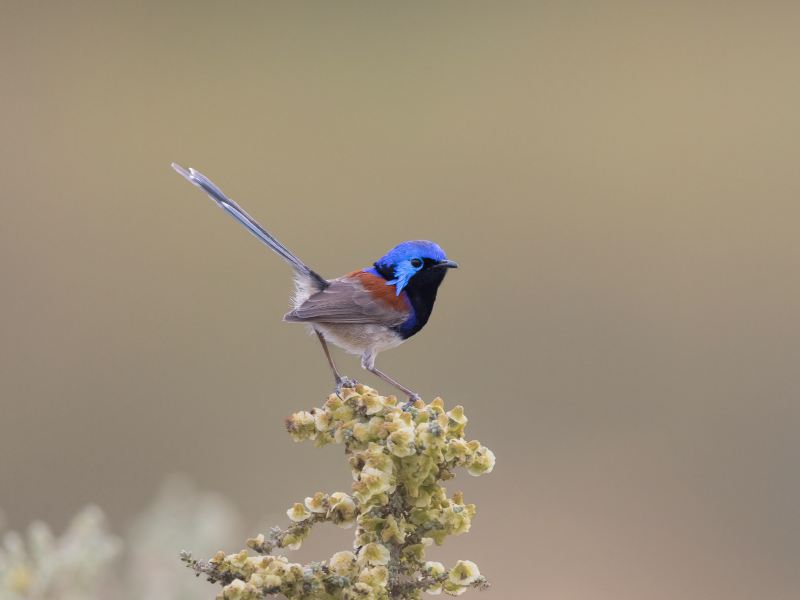
Want to learn more about our conservation reserve?
As a Bank Australia customer, you can proudly say that you help care for the conservation reserve as well. It’s one of the ways that we’re using business of banking to create a healthier planet. To find out more about all 4 properties, visit our conservation reserve history page.
.jpg)