It’s time to raise the bar on climate action

Changes to our climate strategy: Following our merger with Qudos Bank, we have reviewed our climate action strategy to expand it for the whole bank. Our 2026 climate action strategy will be published in September and will include our 2035 emissions reduction targets. The merger changed the size of our business significantly, and this meant we needed to set a new baseline and recalculate our emissions reduction targets
This is some text inside of a div block.
We know 2050 is too late.
The time for decisive action on climate change is now.

Climate change is an issue we know you feel strongly about. We’ve been listening and it’s one we share, too.

At Bank Australia, it’s time for us to step up and go beyond what we’ve already achieved. We want to help Australians build the future we all deserve.

In our climate action strategy, reducing emissions is an essential first step. We also know we need to play a role in supporting communities in Australia to respond to climate change in a way that’s regenerative and focused on a just transition.

We don’t have all the answers yet but scroll down to explore how we’ll:

  • work with our customers to reduce emissions in our operations and portfolio
  • finance regenerative projects and services
  • help people reduce their emissions
  • support First Nations voices to lead the way on climate action. 
Read Bank Australia's 2022 climate action strategy
Right arrow
Let’s build the future we all deserve.
A sustainable wooden house with a garden

We’re going to support customers to take action

We offer support and products to assist our customers to better understand and reduce their emissions

Our customers tell us that action on climate is a top concern, so we’re planning to scale up ways to offer support and products to help our customers take collective action.

Our Clean Energy Home Loan was designed to encourage customers to build or buy homes that don’t have as much of an impact on our earth.

As we build out our climate strategy, we’ll be engaging with our customers to find out how we can help them take the climate action they want to see, like launching the Electrify Your Home program.

A red electric vehicle driving down a road

We’re scaling up our funding of solutions

We aimed to finance $1.5 billion of clean energy transition and conservation by 2025. We reached $1.26 billion as at 30 June 2025

As a bank, funding regenerative products and services is an important part of our contribution to climate action. We continue to have an ambition to increase our climate-aligned assets and will continue working hard to make progress.

A woman stands on a fallen tree trunk in the rainfores

We’re linking conservation and climate

We're a leading voice on corporate conservation innovation to draw down carbon from the atmosphere, while protecting and preparing our conservation reserve for a warmer climate

Private land conservation is an important path forward to protecting more of the precious environment from development forever. We’ve been protecting land on our conservation reserve since 2008, and we want to share what we’ve learned to show that this is something other landholders in Australia can do too.

On our conservation reserve, climate change resilience is a priority action area under our current 10-year strategy. We’re working on a climate-adjusted direct seeding project, which includes developing a climate-adjusted seed provenance collection from ground-cover and mid-story species on the reserve, as well as sourcing seeds from both hotter and drier, and cooler and wetter locations that might be suitable for our reserve in future.

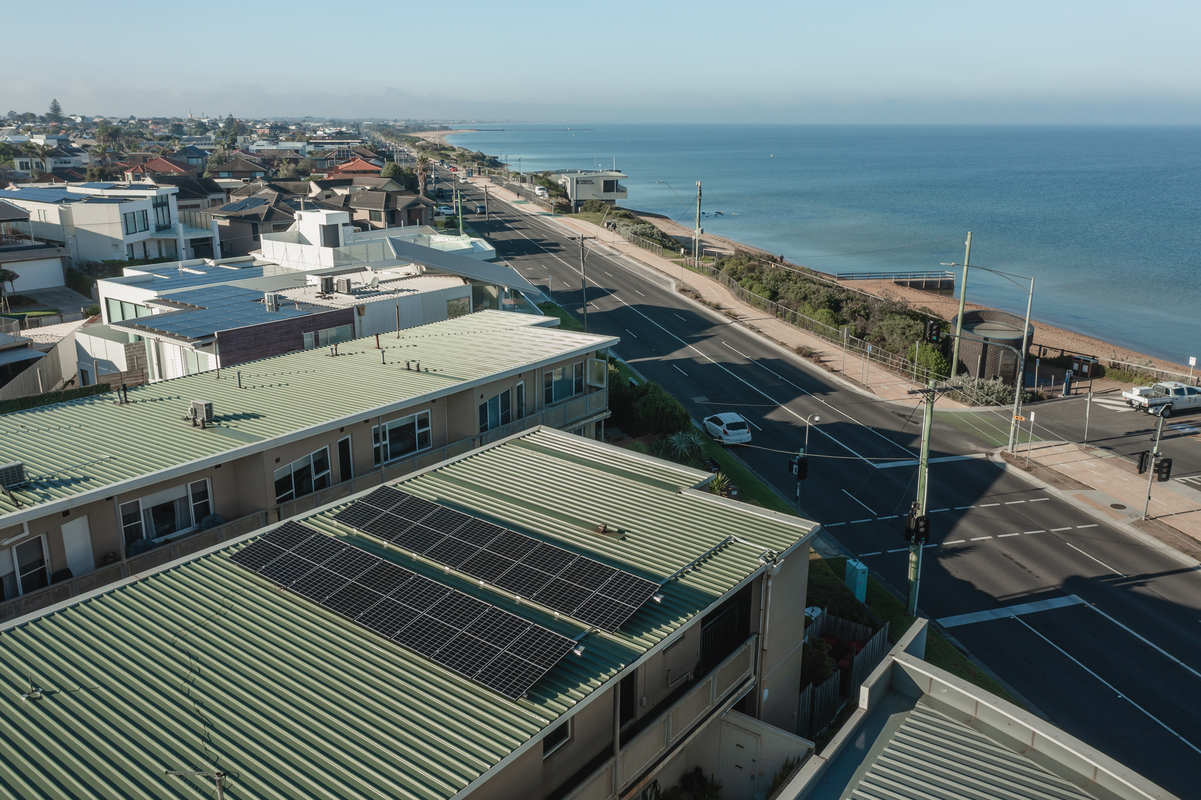
Birds eye view of the beach

We know climate change is about justice (not just emissions)

We are actively supporting the economy in the Latrobe Valley as it transitions from fossil fuels
Chevron down

We’ve got a long history in the Latrobe Valley and we’re still there. One of the larger credit unions that merged into what is Bank Australia today was the Enterprise Credit Union, the credit union for employees of the Victoria’s former State Electricity Commission. We have staff based in the Latrobe Valley and we’re committed to continuing to support the community as it transitions from fossil fuels.

We’re committed to the Latrobe Valley community – in 2018, we completed a major renovation of our premises in Moe to make room for more employment growth in the Latrobe Valley. We also work with community customers like the Gippsland Climate Change Network and help them progress the switch to renewables.

We are seeking guidance from First Nations voices and support their leadership on climate action
Chevron down

We know and recognise that First Nations voices can lead the way on climate action.

We began our own Reconciliation Action Plan journey in 2010, becoming the first customer owned bank to develop a RAP. We still have a way to go but we’re committed to the work we know we need to do.  

To amplify young First Nations voices on climate action, we have supported Seed's work in a multi-year partnership through our impact fund.

On our conservation reserve, we’re working with Barengi Gadjin Land Council to implement Indigenous Land Management practices. Indigenous Land Management has maintained this land for tens of thousands of years. This knowledge is essential to addressing the climate crisis on our reserve and across Australia, and is valuable for both Indigenous and non-Indigenous people working with plants, animals and the ecosystems.

Bank Australia Minimay conservation reserve

The climate is changing and we’re working to understand what that means for our business

We will assess, disclose and manage the risk posed to our business by a changing climate

The impacts of climate change are already happening. We need to continue to analyse the risks climate change poses to our business as a bank and lender, including impacts to our customers. Following the framework of AASB S2, we’re looking at physical risk, like damages to homes we finance, transition risk, like changes in the economy as we transition away from fossil fuels, and liability risk, like failure to take appropriate action.